
Cats are cute, funny, and loving pets. Many people enjoy playing with their cats and spending time with them. But sometimes, a cat may suddenly bite its owner. This can be confusing especially when the cat was just being friendly.
You may think, “Why did my cat bite me? Did I do something wrong?”
The answer is not always simple. Cats can bite for many different reasons. Sometimes they bite because they are playing. Sometimes they are scared, angry, or uncomfortable. In some cases, a cat may bite because it is not feeling well.
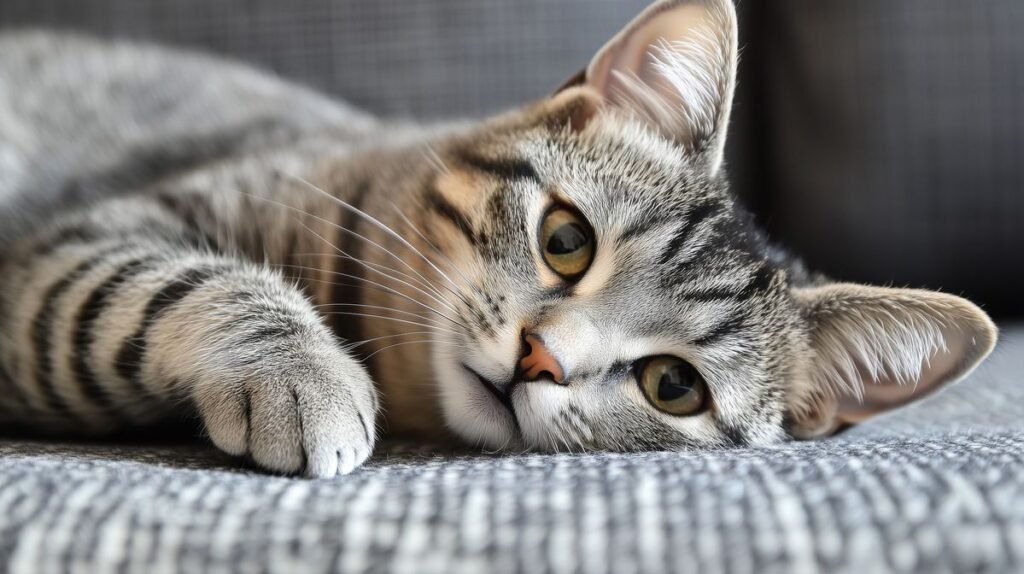
Understanding why your cat bites can help you take better care of it and build a stronger bond with your pet.
1. Your Cat May Be Playing
One of the most common reasons cats bite is play.
Cats love to chase, jump, scratch, and catch things. When they are young, they often use their teeth and paws while playing. A kitten may bite your hand because it thinks your hand is a toy.
For example, if you move your fingers quickly your cat may try to catch them. It may grab your hand and give a small bite.
This does not always mean your cat is angry.
However, it is better not to use your hands as toys. Instead use cat toys such as balls, soft toys, or toy mice.
This teaches your cat that hands are for gentle touching.
2. Your Cat May Want You to Stop Petting It
Cats love being petted but they do not always want to be touched.
Sometimes a cat enjoys being petted for a few minutes. Then suddenly it may bite your hand.
This can happen because your cat has had enough.
Your cat may give you small signs before biting. For example, its tail may start moving quickly, its ears may move backward or its body may become stiff.
If you notice these signs stop petting your cat and give it some space.
Every cat is different. Some cats love long cuddles while others like short periods of attention.
3. Your Cat May Be Scared
A scared cat may bite because it is trying to protect itself.
For example, your cat may become scared because of:
- A loud noise
- A stranger
- Another animal
- A sudden movement
- Being picked up suddenly
- Going to the veterinarian
- A new place
When cats feel scared, they may hide, hiss, scratch, or bite.
If your cat looks frightened do not try to force it to come to you. Give it a quiet and safe place.
Let your cat come to you when it feels comfortable.
4. Your Cat May Be Angry or Annoyed
Just like people, cats can become annoyed too.
Maybe someone is touching your cat too much. Maybe another pet is bothering it. Maybe it does not want to be picked up.
A cat may show that it is angry by:
- Moving its tail quickly
- Flattening its ears
- Hissing
- Growling
- Showing its teeth
- Trying to move away
If your cat shows these signs leave it alone for some time.
Do not punish or hit your cat for biting. This can make your cat more scared and may make the behavior worse.
5. Your Cat May Want Attention
Sometimes a cat may bite because it wants your attention.
Cats can learn that certain actions make their owners look at them. If your cat gently bites you and you immediately look at it or start playing it may learn that biting gets your attention.
Your cat may also be trying to tell you that it wants something.
It could want:
- Food
- Water
- Playtime
- Attention
- To go outside
- To be near you
Try to understand what your cat needs instead of immediately reacting to the bite.
6. Your Cat May Be Feeling Bored
Cats need things to do. If a cat does not get enough playtime or mental activity it may become bored.
A bored cat may start chasing your feet attacking your hands or biting during play.
You can help your cat by giving it safe toys and spending some time playing with it every day.
Simple toys can be enough. You can use:
- Small balls
- Cat toys
- Soft toy mice
- Puzzle toys
- Scratching posts
Playtime can also help your cat use its energy in a healthy way.
7. Your Cat May Be in Pain or Not Feeling Well
Sometimes biting can be a sign that your cat is not feeling well.
If your cat normally enjoys being touched but suddenly starts biting when you touch a certain area it may be in pain.
For example, your cat may have an injury or another health problem that makes touching uncomfortable.
You may also notice other changes, such as:
- Not eating normally
- Sleeping much more than usual
- Hiding
- Limping
- Acting differently
- Not wanting to play
- Making unusual sounds
- Becoming aggressive suddenly
If your cat suddenly starts biting more than usual or you think it may be in pain it is a good idea to talk to a veterinarian.
How Can You Stop Your Cat From Biting?
You cannot expect your cat to stop biting overnight. It takes time, patience and training.
Here are some simple things you can do.
Use Toys Instead of Your Hands
Do not encourage your cat to bite your fingers or hands while playing.
Use toys instead. This helps your cat learn what it can and cannot bite.
Give Your Cat Space
If your cat looks angry, scared, or uncomfortable, give it some space.
Do not force it to be held or touched.
Watch Its Body Language
Your cat cannot speak like a person but it can communicate through its body.
Learn to notice when your cat is happy, scared, or annoyed.
This can help you avoid getting bitten.
Reward Good Behavior
When your cat plays gently or stays calm give it praise or a small treat.
Positive training can help your cat learn better habits.
Never Hit Your Cat
Never hit, kick, or scare your cat because it bit you.
Punishment can make your cat frightened and can damage the trust between you and your pet.
Instead, stay calm and try to understand why the biting happened.
What Should You Do If Your Cat Bites You?
If your cat gives you a small bite while playing, stop the game and give your cat some space.
If the bite breaks your skin, wash the area with soap and clean water. Cat bites can sometimes cause infections, so keep an eye on the wound. If the wound is deep, painful, swollen, or becoming red, seek medical advice.
Also, if your cat’s behavior suddenly changes, speak with a veterinarian.
When Should You Take Your Cat to a Veterinarian?
Not every cat bite means there is a health problem. But sudden changes in behavior should not be ignored.
You should consider contacting a veterinarian if:
- Your cat suddenly becomes aggressive.
- Your cat bites much more than before.
- Your cat seems to be in pain.
- Your cat stops eating.
- Your cat hides most of the time.
- Your cat has other unusual symptoms.
- Your cat bites when a certain body part is touched.
A veterinarian can check your cat and help find the reason for the change.
The most important thing is to understand your cat instead of getting angry with it.
Watch your cat’s body language and notice when it starts showing signs of fear or annoyance. Give it enough playtime use toys instead of your hands and give it space when needed.
Remember your cat cannot use words to tell you how it feels. Its actions are one of the ways it communicates with you.
So the next time your cat gives you a little bite, don’t immediately think “My cat doesn’t like me.” Try to understand what your cat may be trying to tell you.