
At Paws & Care Veterinary clinic , We understand that how much your pets are important to you . they are part of our families, and we all want them to stay happy and healthy. But sometimes, pets do not feel well and we may not understand what is wrong with them.
Dogs are very good at hiding when they are not feeling well. They cannot tell us where they are hurting or what is bothering them, so we have to notice the small changes in their daily routine. A change in eating habits, energy, behaviour, or appearance can sometimes be a sign of a health problem.
Not every small change means that your dog is seriously ill. However, knowing what is normal for your dog can help you notice when something is different. Here are 10 signs that may mean your dog needs to see a veterinarian.
1. Your Dog Is Not Eating Properly
Most of the dogs enjoy their food and are usually excited when it is mealtime. But, if your dog suddenly stops eating or starts eating much less than normal, it is important to pay attention. Dog not eating can happen for many reasons. Sometimes it may be because of a simple stomach problem, while in other cases it can be related to dental pain, stress, infection, or another health problem.
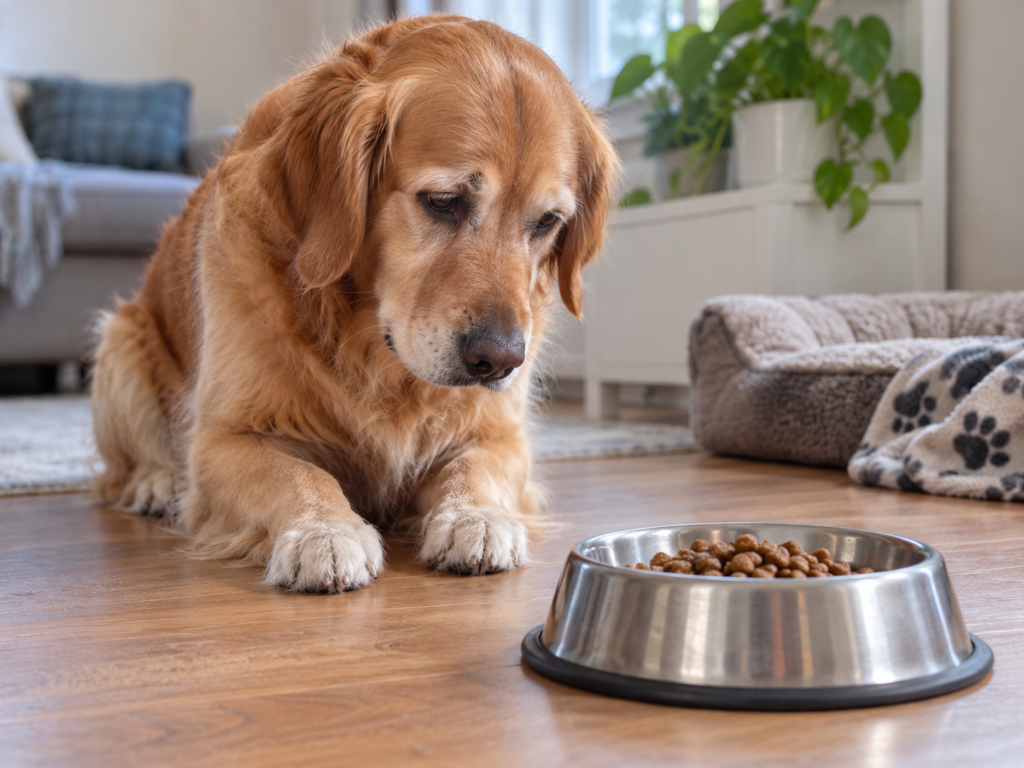
Look for other signs along with the loss of appetite, such as:
- Vomiting or diarrhoea : May be caused by an upset stomach, infection, or something harmful your dog ate. Blood in vomit needs quick attention.
- Low energy or weakness : If your dog is unusually tired, weak and does not want to paly then they can be sick or in pain.
- Weight loss : Sudden or unexplained weight loss, especially with poor eating can be a sign of health problem.
- Drinking less water : Drinking less water can cause dehydration which make your dog weak and tired.
- Difficulty chewing or eating : This may be caused by tooth pain, sore gums, or other mouth problems.
- Changes in normal behaviour : Hiding, restlessness, aggression, or unusual clinginess may show that your dog is stressed, in pain, or unwell.
If your dog refuses food for a long time or does not seem like itself, it’s better to consult a veterinarian. Do not give any medicines without speaking to your veterinarian first.
2. Your Dog Is Vomiting Again and Again
It is not unusual for a dog to vomit once after eating something. However, repeated vomiting is something that should not be ignored. Dog vomiting can happen for many reasons, including eating something they should not have, stomach problems, infections, or other health conditions.
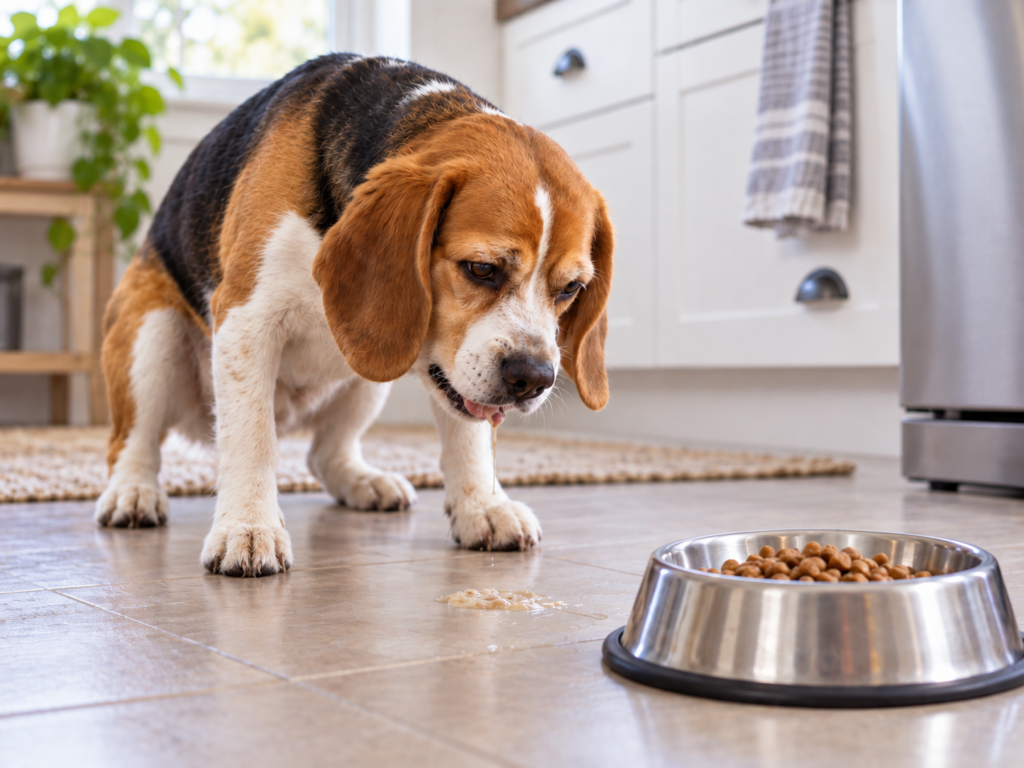
You should be more concerned if your dog:
- Vomits several times : Repeated vomiting can make your dog lose too much water and important minerals, causing dehydration.
- Cannot keep food or water down : If your dog vomits every time it eats or drinks, it can quickly lose too much water. This can lead to serious dehydration.
- Looks very weak or tired : If your dog becomes very weak, sleeps much more than usual, or has trouble standing or walking, it may be seriously dehydrated or sick.
- Refuses to eat : if your dog is not want to eat anything, especially when it is also vomiting, it may be feeling very sick or may be in pain.
- Has blood in the vomit : Blood in vomit may look bright red , It can be a sign of bleeding or serious irritation in the stomach or digestive system..
- Has diarrhoea at the same time : When a dog has both vomiting and diarrhoea, it loses water much faster. This can cause serious dehydration.
- Seems to have stomach pain : A dog with stomach pain may have a hard or swollen belly, or avoid being touched. Some dogs may stand with their front legs down and their back legs raised, which is sometimes called the prayer position. These signs can happen with serious problems such as a blockage.
Repeated vomiting can cause dehydration, especially if your dog is also not drinking enough water. If your dog keeps vomiting or looks very unwell, contact a veterinarian. Avoid giving your dog any medicines without consulting a veterinarian because that can be harmful to dogs.
3.Your Dog Is Scratching Too Much
Some scratching is completely normal, but constant scratching, licking, or biting of the skin may mean that your dog has a skin problem. Dog scratching can happen because of fleas, ticks, allergies, dry skin, or a skin infection.
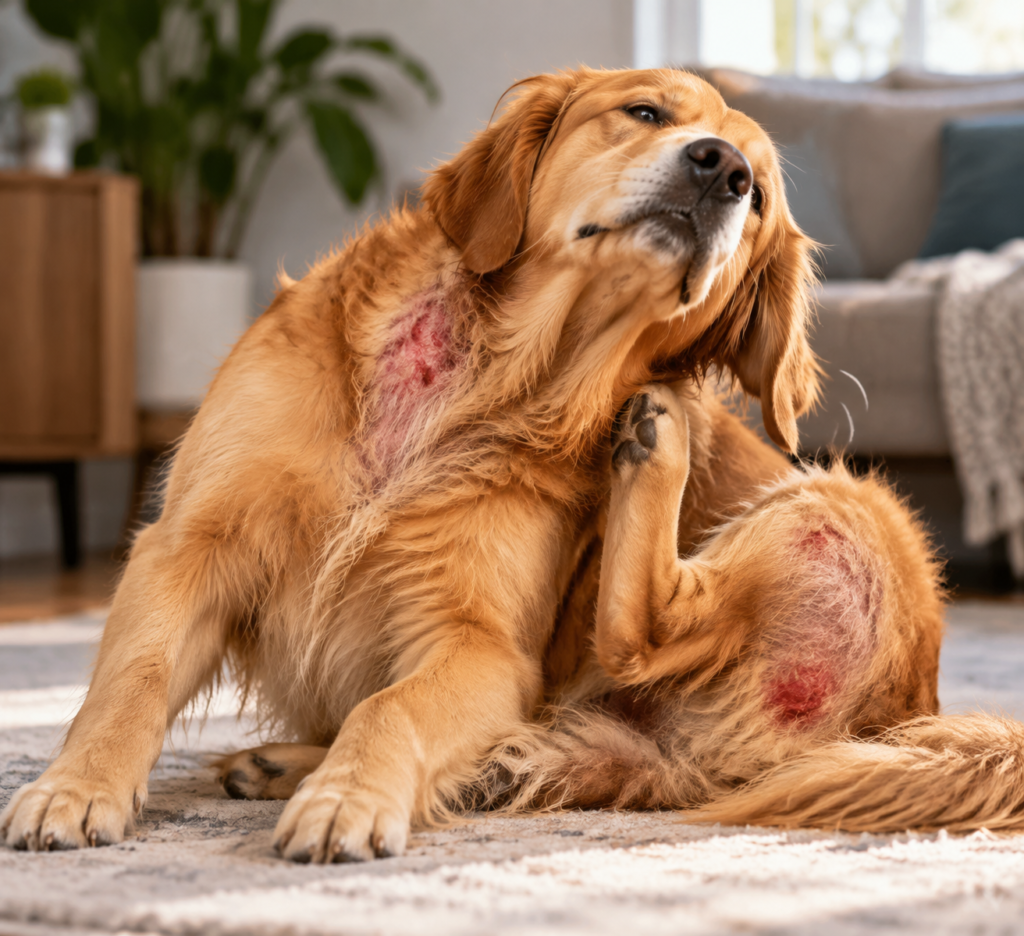
You may notice other changes on your dog’s skin, such as:
- Red or irritated skin : Red or irritated skin can be a sign of allergies, irritation, or infection. Too much scratching can also cause small wounds and scabs.
- Hair loss :If your dog starts losing hair in certain areas, it may have a skin problem. Hair loss can happen because of constant scratching or biting, parasites such as mites, or fungal infections such as ringworm.
- Small wounds or scabs : Scratching or biting can damage your dog’s skin. This can cause small wounds, scabs, and irritation.
- Bad smell from the skin : A strong or unusual smell from your dog’s skin may be a sign of a yeast or bacterial infection. You may also notice dry, flaky skin or dandruff. If the smell or flaking continues, your dog should be checked by a veterinarian.
- Dry or flaky skin : Your dog may have dry skin that causes flakes or dandruff. It can also make the skin itchy and uncomfortable.
- Constant licking or biting :Your dog may lick or bite one area because it feels itchy or painful. Doing this often can make the skin worse and cause wounds.
If your dog keeps scratching, it can damage the skin and may lead to more irritation or infection. It is important to find the actual cause instead of trying different products without knowing what the problem is. A veterinarian can examine your dog’s skin and recommend the right treatment.
4. Your Dog Is Having Trouble Breathing
Breathing problems are one of the signs that should never be ignored. If your dog is struggling to breathe, it can be frightening for both you and your pet. Dog breathing problems can have different causes, and some may require immediate veterinary care.
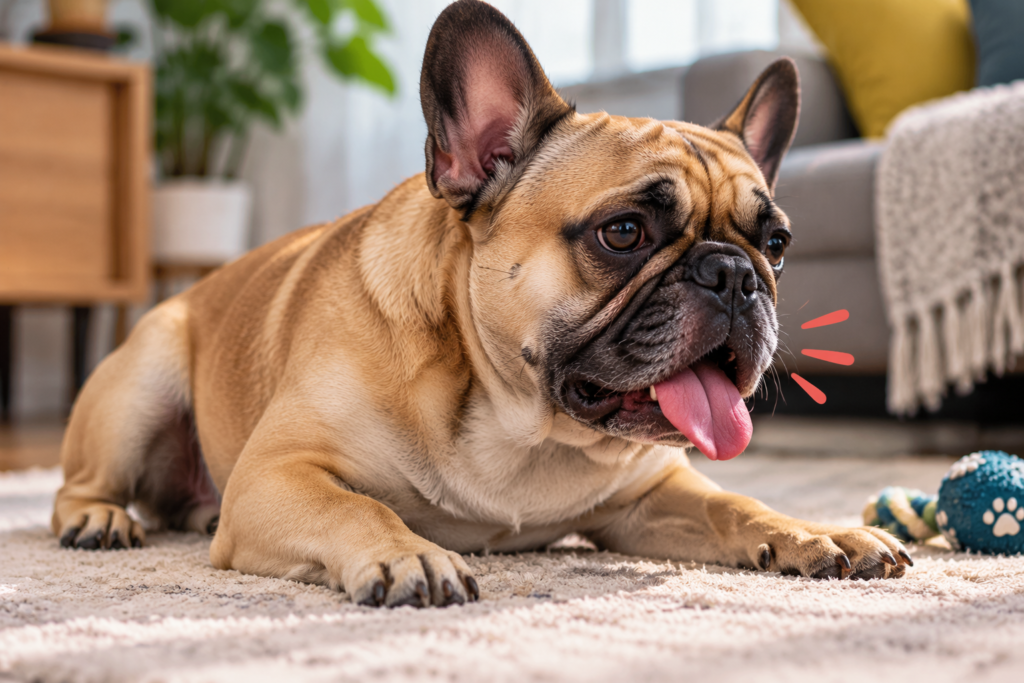
Watch for signs such as:
- Breathing very fast: Your dog may breathe much faster than normal, even while resting.
- Unusual breathing sounds: Your dog may make strange sounds like wheezing, whistling, or noisy breathing.
- Heavy or difficult breathing: Your dog may struggle to breathe or breathe with extra effort.
- Extra effort to breathe: You may notice the chest or stomach moving more than usual while breathing.
- Getting tired quickly: Your dog may become tired after a short walk or small amount of activity.
- Unable to do normal activities: Your dog may stop playing, walking, or doing activities it normally enjoys.
If your dog is having serious difficulty breathing, do not wait to see if it improves on its own. Keep your dog calm and contact a veterinarian immediately. Quick veterinary attention can be important when a dog is having trouble getting enough air.
5. Your Dog Is Suddenly Very Tired
Every dog has lazy days, especially after a lot of exercise. But if your dog suddenly becomes much less active than usual, you should pay attention. A tired dog may not want to play, go for walks, eat, or even get up from its favourite place.
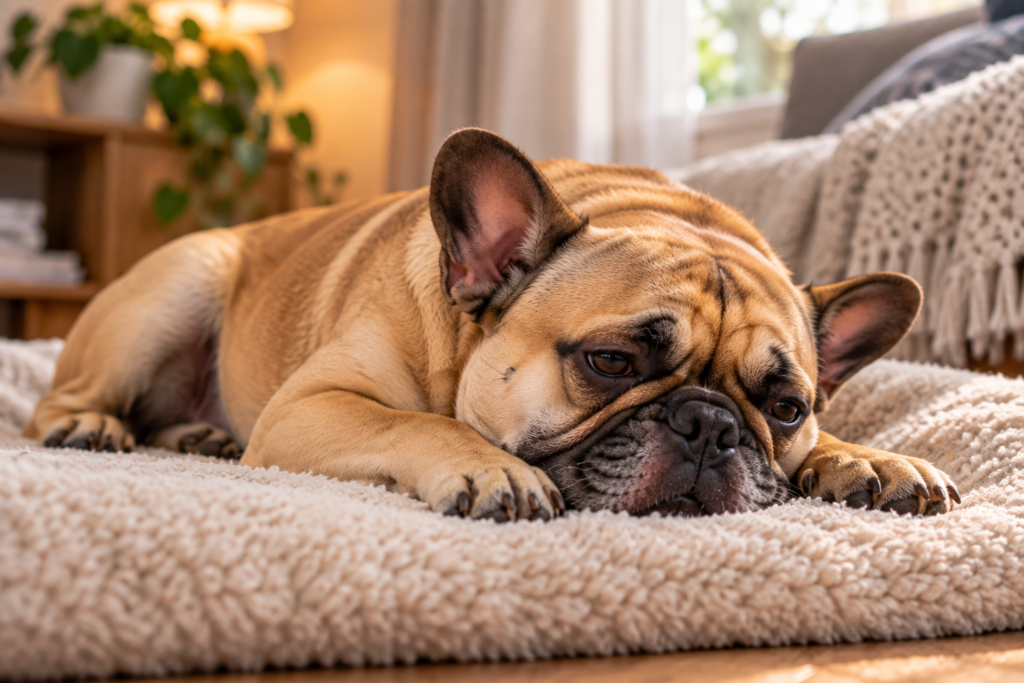
Look for changes such as:
- Sleeping much more than usual: Your dog may sleep for longer periods and seem less active.
- Not wanting to play: Your dog may lose interest in toys or activities it normally enjoys.
- Not wanting to go for walks: Your dog may avoid walks or prefer to stay in one place.
- Difficulty standing or walking: Your dog may struggle to stand up, walk, or move normally.
- Weakness: Your dog may look tired, weak, or have little energy.
- Less interest in food: Your dog may eat less than usual or refuse food.
- Not responding normally: Your dog may seem unusually quiet or not respond to you as it normally does.
There can be many reasons for low energy, including simple tiredness, pain, infection, or other health problems. If your dog’s energy does not return to normal or you notice other symptoms, it is better to have your dog checked by a veterinarian.
6. Your Dog Is Drinking or Urinating More Than Usual
As a pet parent, you should have an idea of how much water your dog normally drinks and how often they usually go outside to urinate. A sudden change in these habits can be worth paying attention to.
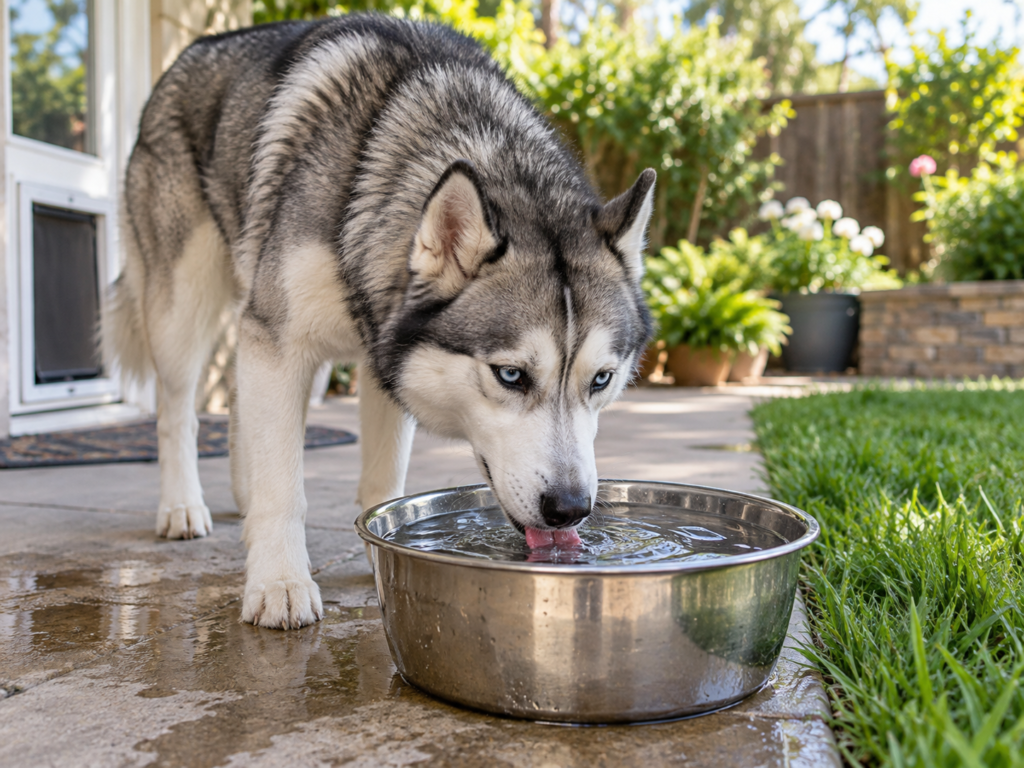
Contact your veterinarian if you notice that your dog:
- Drinks much more water: Suddenly start drinking more water than usual.
- Urinates more often: Your dog may need to go outside more frequently than normal.
- Accidents inside the house: Suddenly urinate indoors even if it is house-trained.
- Difficulty passing urine: Struggle or take longer than usual to urinate.
- Discomfort while urinating: Your dog whine, cry, or seem uncomfortable when urinating.
- Blood in the urine: You may notice pink, red, or dark-colored urine, which can be a sign of a health problem.
There can be many reasons for changes in drinking and urination, so it is difficult to know the cause just by looking at the symptoms. If you notice a sudden or unusual change, tell your veterinarian exactly what you have noticed. This can help them understand your dog’s condition better.
7. Your Dog Is Limping or Having Trouble in Walking
If your dog suddenly starts limping, walks differently, or does not want to put weight on one of its legs, it may be experiencing pain. Dog limping can happen because of a small injury, a problem with the paw, muscle or joint pain, or other health conditions.
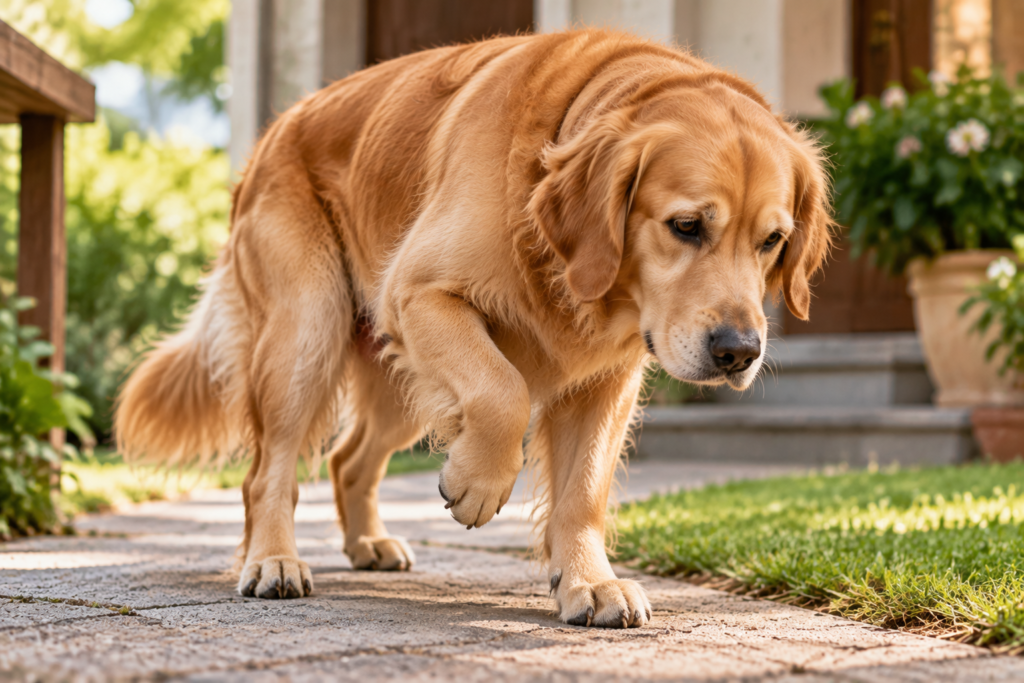
Check for signs such as:
- Swelling on the leg or paw: Your dog’s leg or paw look swollen or larger than normal.
- Crying or discomfort while walking: Your dog may cry, limp, or show pain while walking.
- Difficulty climbing stairs: Your dog may struggle to climb stairs or avoid them completely.
- Not wanting to run or play: Your dog stopped running or playing because of pain or discomfort.
- Trouble standing up: Your dog may find it difficult to stand or put weight on one of its legs.
Do not force your dog to walk, run, or exercise if it seems to be in pain. Give your dog a comfortable place to rest and contact a veterinarian if the limping continues or becomes worse. Even when there is no visible injury, your dog may still have a problem that needs to be checked.
8. Your Dog’s Eyes Look Different
Your dog’s eyes can also give you important clues about their health. Healthy eyes should generally look clear and comfortable. If you suddenly notice redness, swelling, discharge, or another unusual change, it should not be ignored.
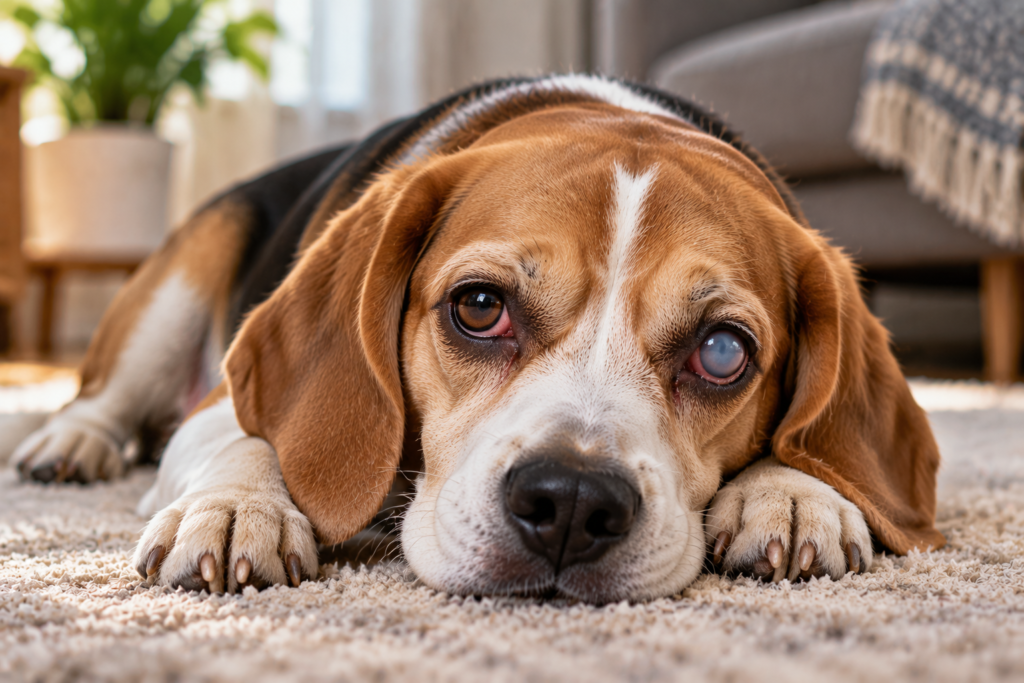
Some signs of dog eye problems include:
- Red or swollen eyes: Dog’s eyes look red, irritated, or swollen.
- Too much watering: Your dog’s eyes produce more tears than usual.
- Unusual discharge: You may notice yellow, green, or sticky discharge around the eyes.
- Keeping one eye closed: keep one eye half or completely closed because of pain or irritation.
- Avoiding bright light: Your dog avoid sunlight or bright lights because its eyes feel uncomfortable
Eye problems can have different causes, such as irritation, infection, injury, or other conditions. Some problems can become worse quickly, so it is better not to use eye drops or other medicines without veterinary advice. If you notice a sudden change in your dog’s eyes, get them checked by a veterinarian.
9. Your Dog’s Behaviour Suddenly Changes
You know your dog’s personality and daily habits better than anyone. This means you may be the first person to notice when your dog starts behaving differently. Dog behaviour changes can sometimes be a sign that your dog is stressed, in pain, or not feeling well.
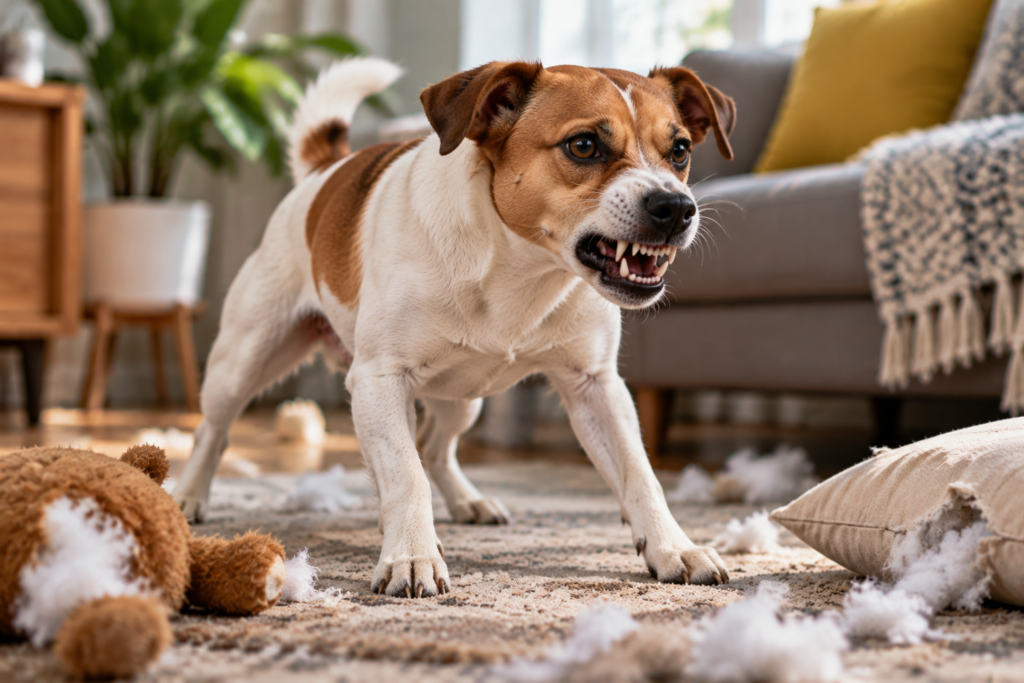
For example, your dog may suddenly:
- Become very quiet: Your dog may be less active and quieter than usual.
- Want to stay alone: Hide or avoid spending time with people.
- Become restless: Your dog keep moving around and find it difficult to settle down.
- Become fearful or aggressive: Suddenly seem scared or react aggressively.
- Stop playing: Your dog lose interest in toys and activities it normally enjoys.
- Sleep much more than usual: Your dog sleep for longer and show less interest in normal activities
A change in behaviour does not always mean that your dog is sick. Changes at home, stress, fear, or other situations can also affect behaviour. However, if the change happens suddenly or comes with other signs of illness, it is a good idea to speak with a veterinarian.
10. Your Dog Is Losing or Gaining Weight Without Any Reason
Weight changes can happen slowly, so they are sometimes difficult to notice. However, sudden or unexplained weight loss or weight gain should be taken seriously. If your dog is losing weight even though they are eating normally, or gaining weight without a clear change in food or activity, there may be an underlying reason.
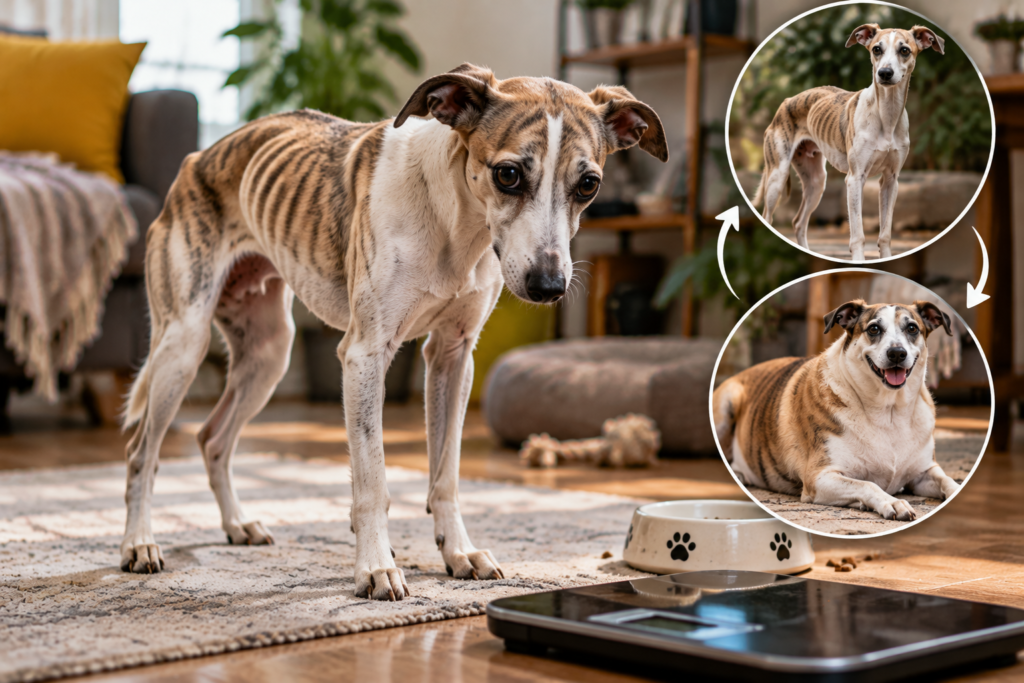
Keep an eye out for:
- Sudden weight loss: Your dog lose weight quickly without any clear reason.
- Sudden weight gain: Gain weight quickly even without eating more food.
- Changes in appetite: Your dog suddenly eat much more or much less than usual.
- Changes in activity level: Your dog become less active or unusually active compared to normal.
- Ribs becoming more visible: Your dog’s ribs become easier to see because of weight loss.
- Changes in body shape: Your dog’s body look noticeably thinner, heavier, or different than usual.
Dog weight loss can happen for many different reasons, and it is not always possible to know the cause at home. A veterinarian can examine your dog and, if needed, recommend tests to understand what is causing the change.