Dogs are not just pets, they are a part of our family. Just like humans, they need healthy food to stay active and fit. But many pet owners get confused about what they should feed their dogs and which foods are safe for them.
Some people prefer packaged dog food while others like to prepare food at home. But the most important thing is to give your dog the right nutrition according to its age and health.
In this blog, we will discuss what dogs can eat which foods they should avoid and how to keep them healthy with a proper diet.
1. Why Is Healthy Food Important for Dogs?
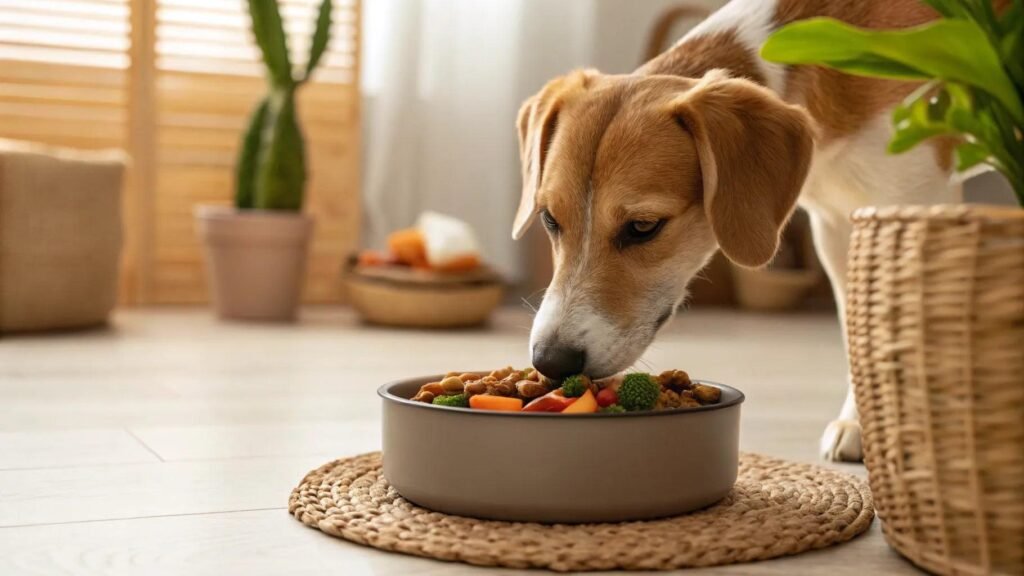
Good dog nutrition helps dogs stay healthy, active, and happy. Giving your dog the right food can also help prevent some health problems.
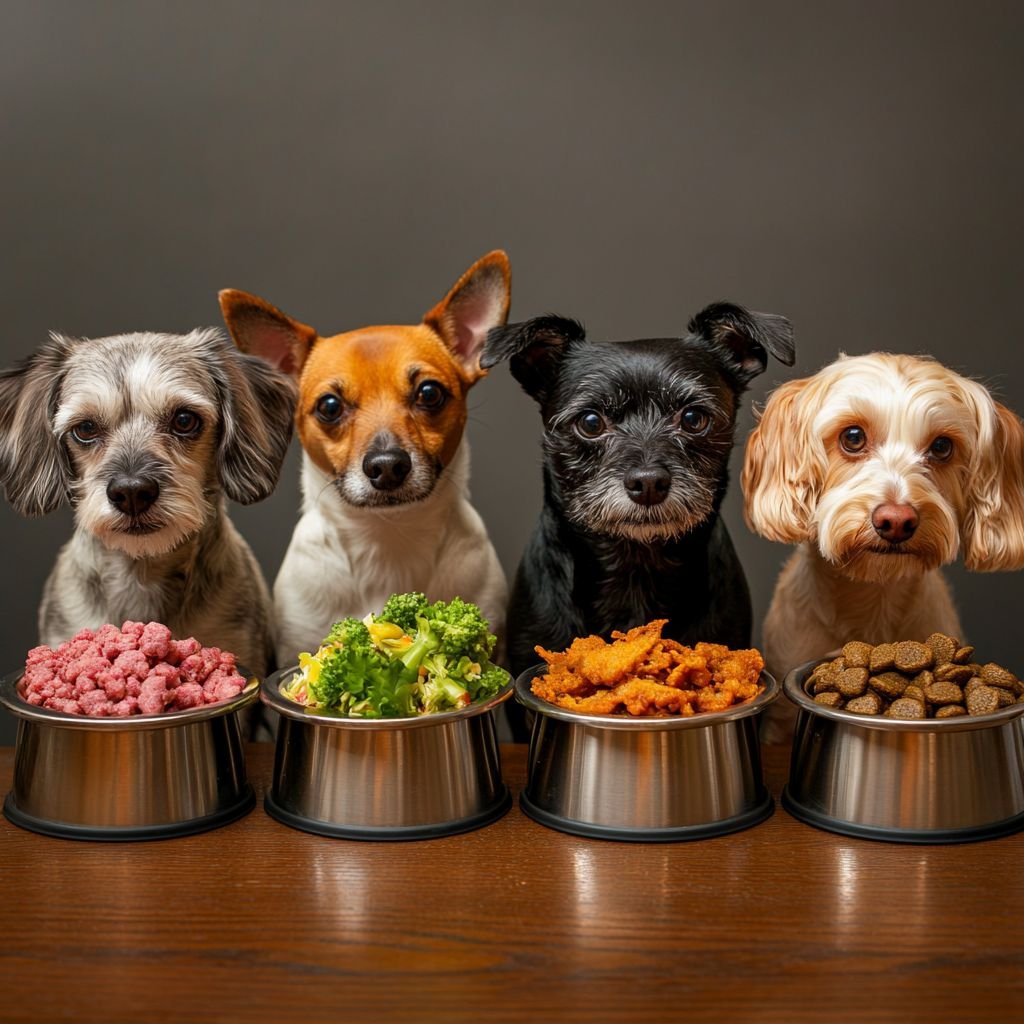
Here are some benefits of healthy food:
- It helps keep their bones and muscles strong.
- It keeps their skin healthy and their coat shiny.
- It gives them energy to play and exercise.
- It helps maintain a healthy weight.
- It supports their immune system.
Every dog has different needs so the food should be chosen according to its age, size, and health.
2. What Should You Include in Your Dog’s Diet?
A balanced diet contains all the important nutrients a dog needs to stay healthy.
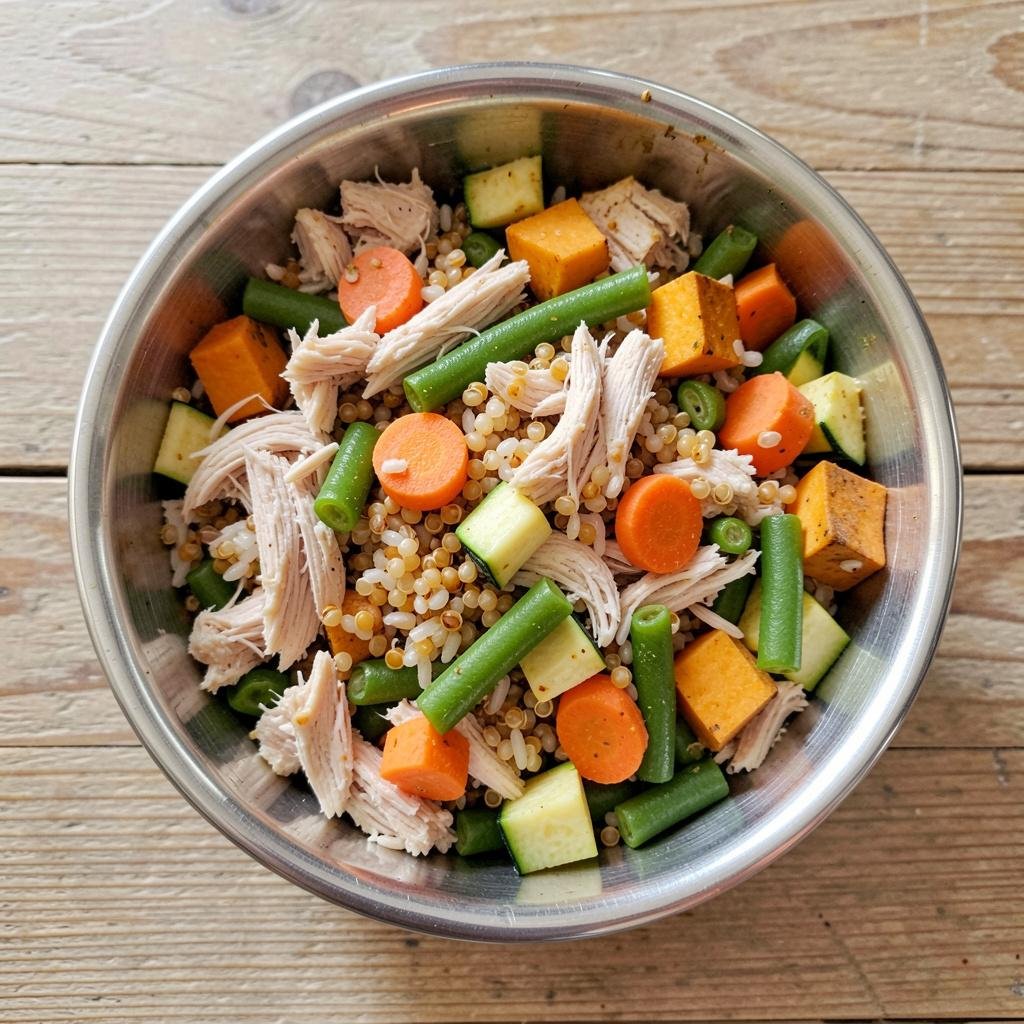
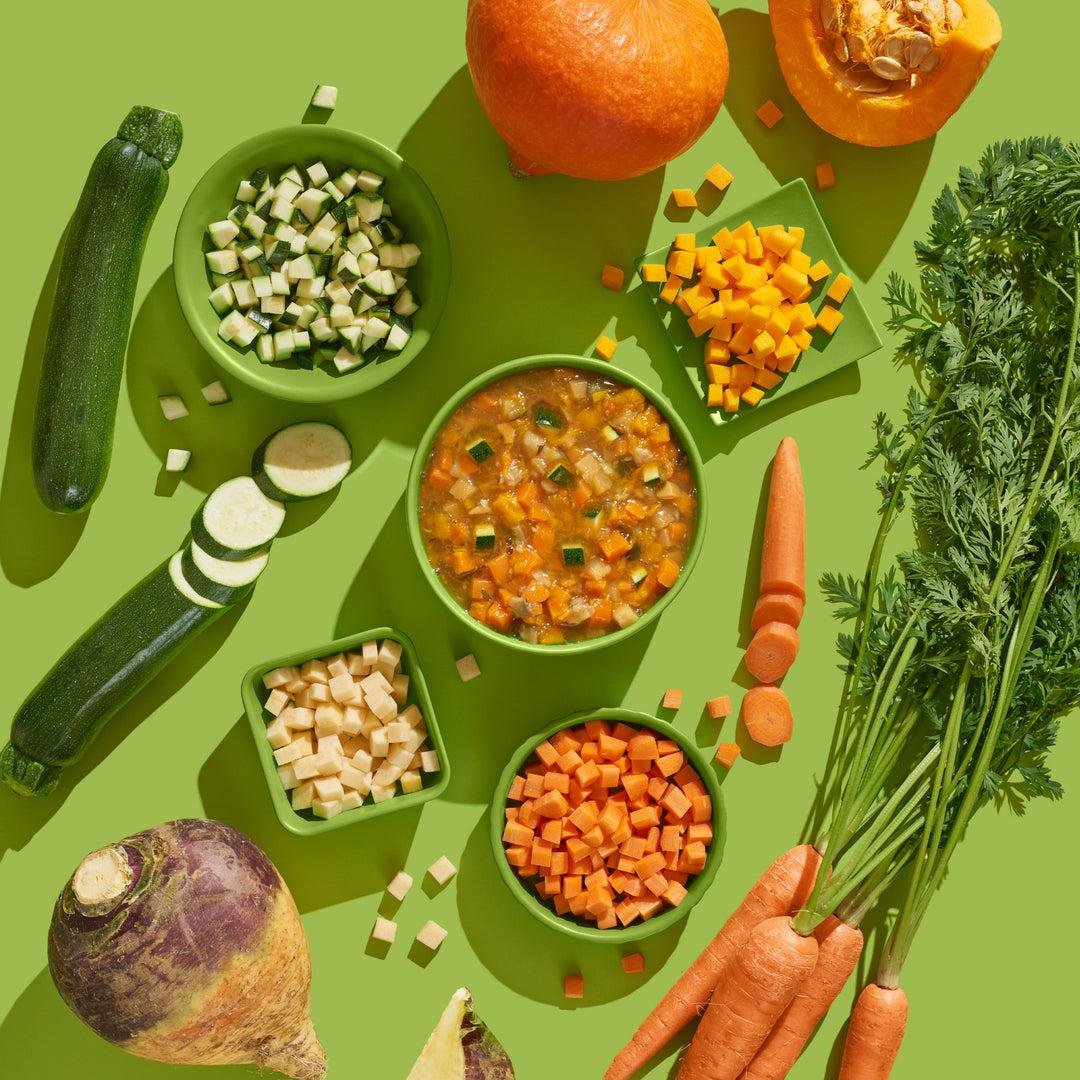
Some important nutrients are:
- Protein: Helps build strong muscles. Chicken, fish, and eggs are common sources.
- Fats: Provide energy and help keep the skin and coat healthy.
- Carbohydrates: Provide energy for daily activities.
- Vitamins and minerals: Help support bones, teeth, and overall health.
- Water: Keeps your dog hydrated and supports normal body functions.
Always choose complete and balanced healthy dog food that is suitable for your dog’s age.
3. What Human Foods Can Dogs Eat?
Many pet owners like to share their food with their dogs. However, not every human food is safe for pets.
If you are wondering what can dogs eat here are some options that can be given in suitable amounts:
- Chicken: Plain, cooked, and without bones or spices.
- Eggs: Fully cooked and served without seasoning.
- Carrots: A healthy snack cut into small pieces.
- Apples: Remove the seeds and core before feeding.
- Pumpkin: Plain pumpkin without sugar or spices.
- Green beans: Plain and served in an appropriate size.
These foods should only be given as treats or additions to a balanced diet. They should not replace your dog’s regular food.
4. Which Foods Should Dogs Avoid?
Some foods that humans eat every day can be dangerous for dogs. As a pet owner, you should know which foods to keep away from your pet.
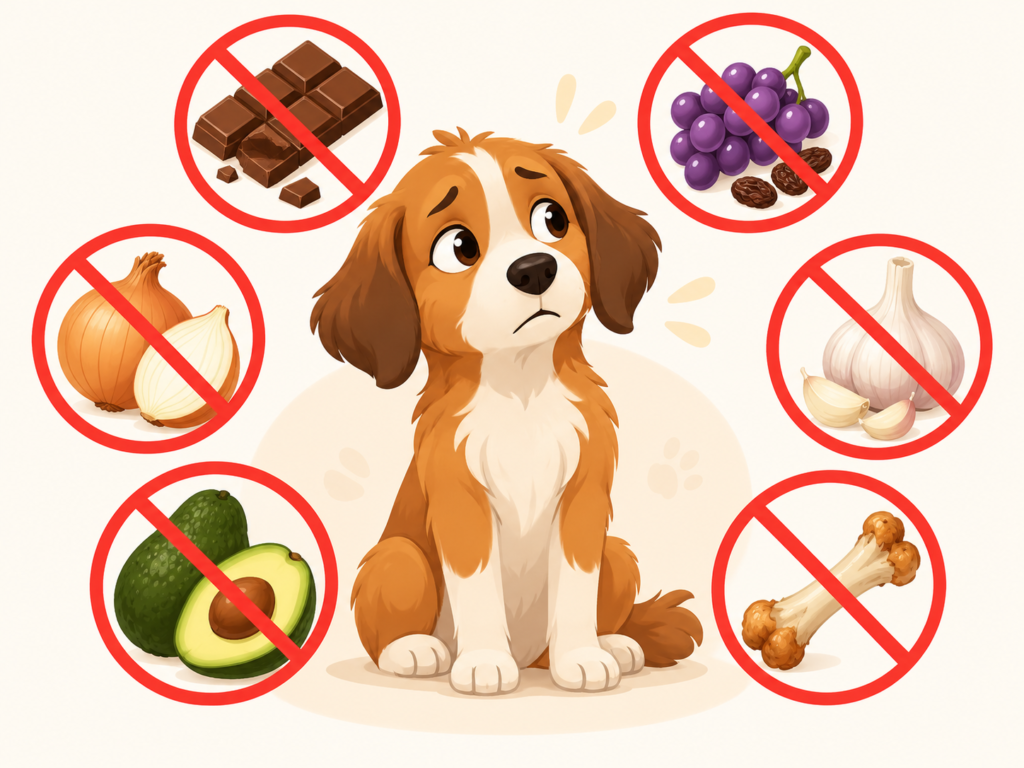
Here are some foods dogs should avoid:
- Chocolate: Can be toxic to dogs.
- Grapes and raisins: Can cause serious kidney problems.
- Onions and garlic: Can damage red blood cells.
- Coffee and tea: Caffeine can be harmful to dogs.
- Alcohol: Can cause serious poisoning.
- Products containing xylitol: This sweetener can cause dangerous health problems.
- Cooked bones: Can break into sharp pieces and cause injuries.
If your dog accidentally eats something toxic contact a veterinarian immediately. Do not wait for symptoms to appear.
5. How to Choose the Best Dog Food
Choosing the best food for dogs can be confusing because there are so many options available.
Before buying dog food keep these things in mind:
- Choose food according to your dog’s age.
- Check whether the food provides complete and balanced nutrition.
- Consider your dog’s size and activity level.
- If your dog has any health problems, ask a veterinarian for advice.
- Follow the feeding instructions and give the correct amount.
Do not choose food only because it is expensive or has attractive packaging. The most important thing is that it meets your dog’s nutritional needs.
6. Is Homemade Food Good for Dogs?
Many people prefer making food at home because they want to give their pets fresh meals.
Homemade dog food can be an option but it needs proper planning. Simply giving chicken, rice, or vegetables every day may not provide all the nutrients your dog needs.
If you want to prepare food at home, remember these points:
- Use ingredients that are safe for dogs.
- Avoid salt, spices, and sauces.
- Do not give your dog only meat or rice.
- Ask your veterinarian for a balanced meal plan.
- Avoid changing your dog’s diet suddenly.
Homemade food is not always better than packaged food. What matters most is providing the right nutrients.
7. How Often Should You Feed Your Dog?
The feeding schedule depends on your dog’s age, size, and health.
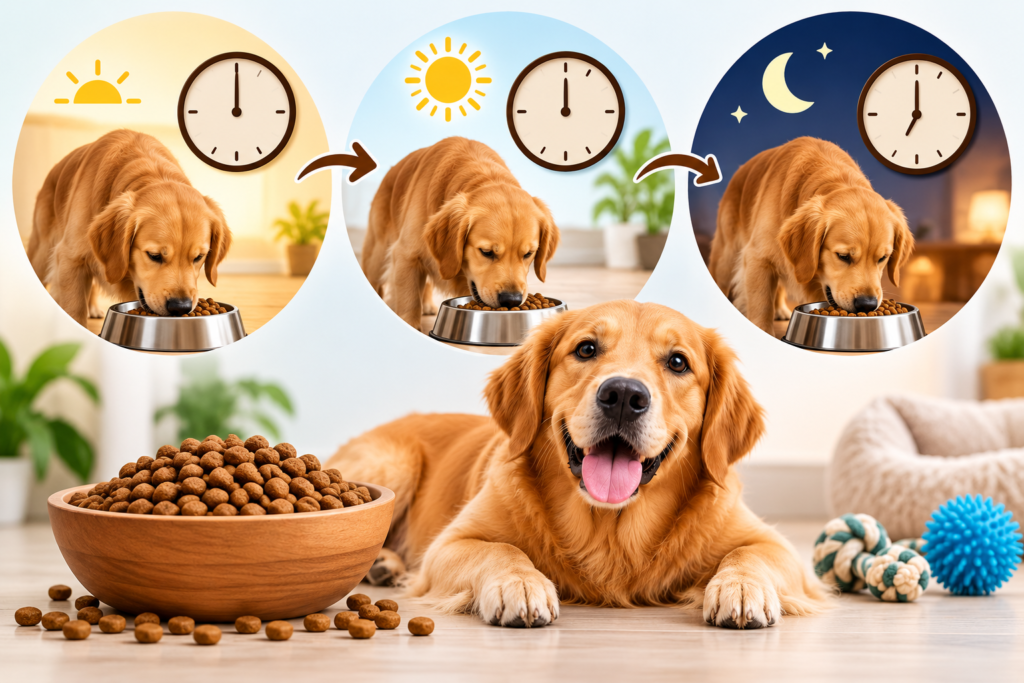
Here is a simple dog feeding guide:
- Puppies: Usually need several small meals throughout the day.
- Adult dogs: Many adult dogs do well with two meals a day.
- Senior dogs: May need changes in their diet according to their health and activity level.
A few simple tips:
- Give food at regular times.
- Measure food instead of guessing the quantity.
- Always keep fresh water available.
- Avoid giving too many treats.
- Monitor your dog’s weight regularly.
If you are unsure about the right quantity, ask your veterinarian.
8. Common Feeding Mistakes to Avoid
Sometimes, pet owners make small mistakes without realising that they can affect their dog’s health.
Here are some common mistakes to avoid:
- Giving too many treats.
- Feeding leftover food from your plate.
- Giving foods without checking whether they are safe.
- Changing food suddenly.
- Giving supplements without veterinary advice.
- Ignoring changes in appetite or weight.
Small changes in feeding habits can make a big difference to your dog’s health.
9. When Should You Ask a Veterinarian?
Food-related problems can sometimes be a sign of an underlying health issue.
You should contact a veterinarian if you notice:
- Your dog is not eating properly.
- Your dog is losing or gaining weight unexpectedly.
- Your dog has frequent vomiting or diarrhoea.
- Your dog has ongoing itching or skin problems.
- Your dog has difficulty chewing food.
- Your dog’s drinking habits have changed.
If your dog shows severe symptoms seek veterinary care rather than trying to treat the problem at home.
Taking care of your dog’s diet does not have to be difficult. You just need to choose the right food, give the correct portions, provide fresh water, and avoid foods that can be harmful.
Remember that every dog is different. A diet that works for one dog may not be suitable for another.
If you are confused about what to feed your pet than it is always better to ask a veterinarian. A healthy diet, along with regular checkups and exercise can help your dog live a happier and healthier life.
Have questions about your dog’s diet? Visit our veterinary clinic for advice on choosing the right food according to your pet’s needs.